Should I Treat My Dog's Cancer? How to Make the Decision
PetCare Ally
Should I treat my dog's cancer?
Questions to bring to your vet.
Survival rate is rarely the place to start. These get you further.
- What type of cancer is it, and what stage?
- Is my dog healthy enough to tolerate treatment?
- What does a good day look like — would treatment keep it?
- Is the goal a cure, more time, or comfort?
- What's the schedule, and how will it affect daily life?
- What happens if we choose not to treat?
- What are my real financial limits? (Asking is responsible.)
- Do I have the time and support for treatment logistics?
- What does my gut say my dog would want?
Decision support, never a substitute for your veterinarian.
When my dog got a cancer diagnosis, I didn't know where to start
I know what it's like to sit in a vet's office — or on your couch afterward — barely holding it together after hearing the word cancer.
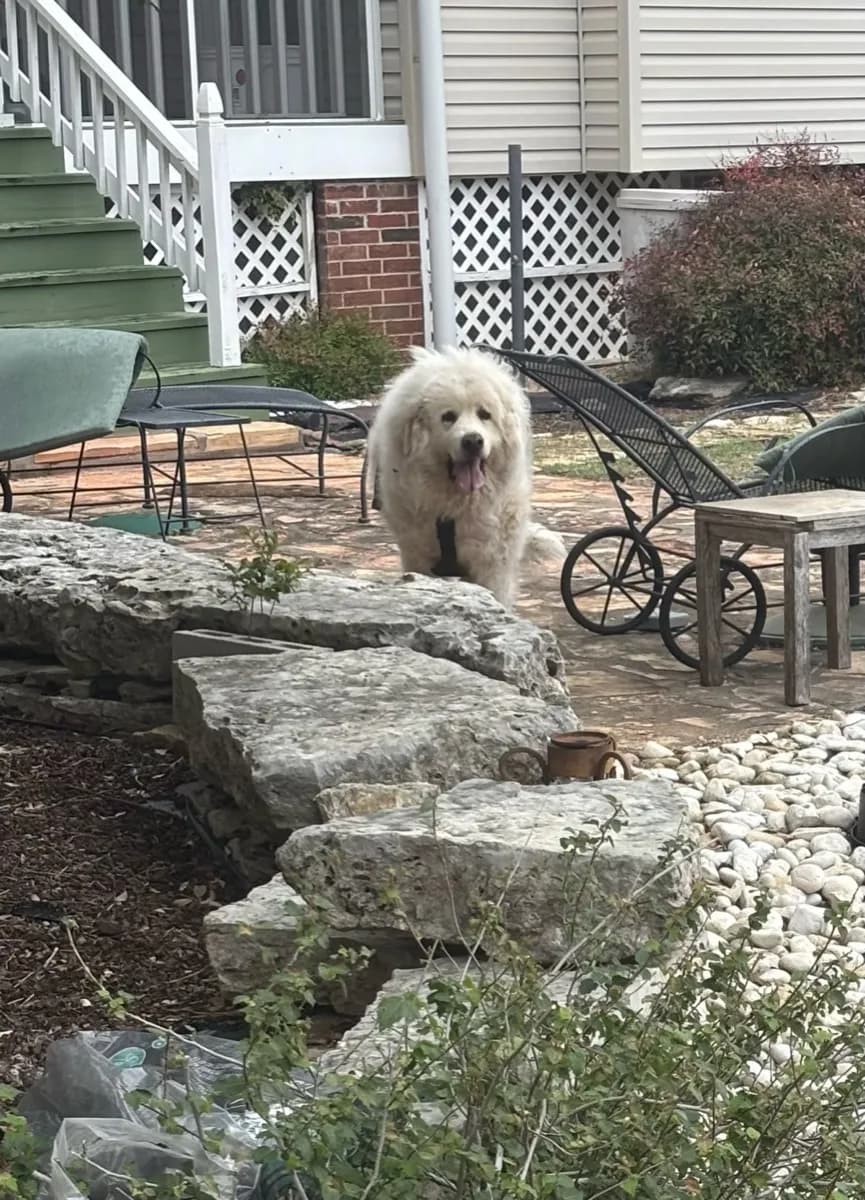
My Great Pyrenees, Henry, was diagnosed with osteosarcoma. It's an aggressive bone cancer, and the statistics are brutal — amputation alone offers roughly four to six months of survival. In that moment, I didn't need someone to rattle off survival rates. I needed someone to help me think — to help me figure out what the right questions even were.
That's part of why I built PetCare Ally. The 11 p.m. panic search — should I treat my dog's cancer — deserves a real, grounded answer. My veterinarian did a good job, but I didn't need medical jargon. Just honest information that helps you think it through. So let's do that together.
Understanding what treatment actually means
Before you can decide whether to treat, it helps to understand what options even exist. They vary enormously with the type of cancer, how advanced it is, your dog's overall health, and what's available near you.
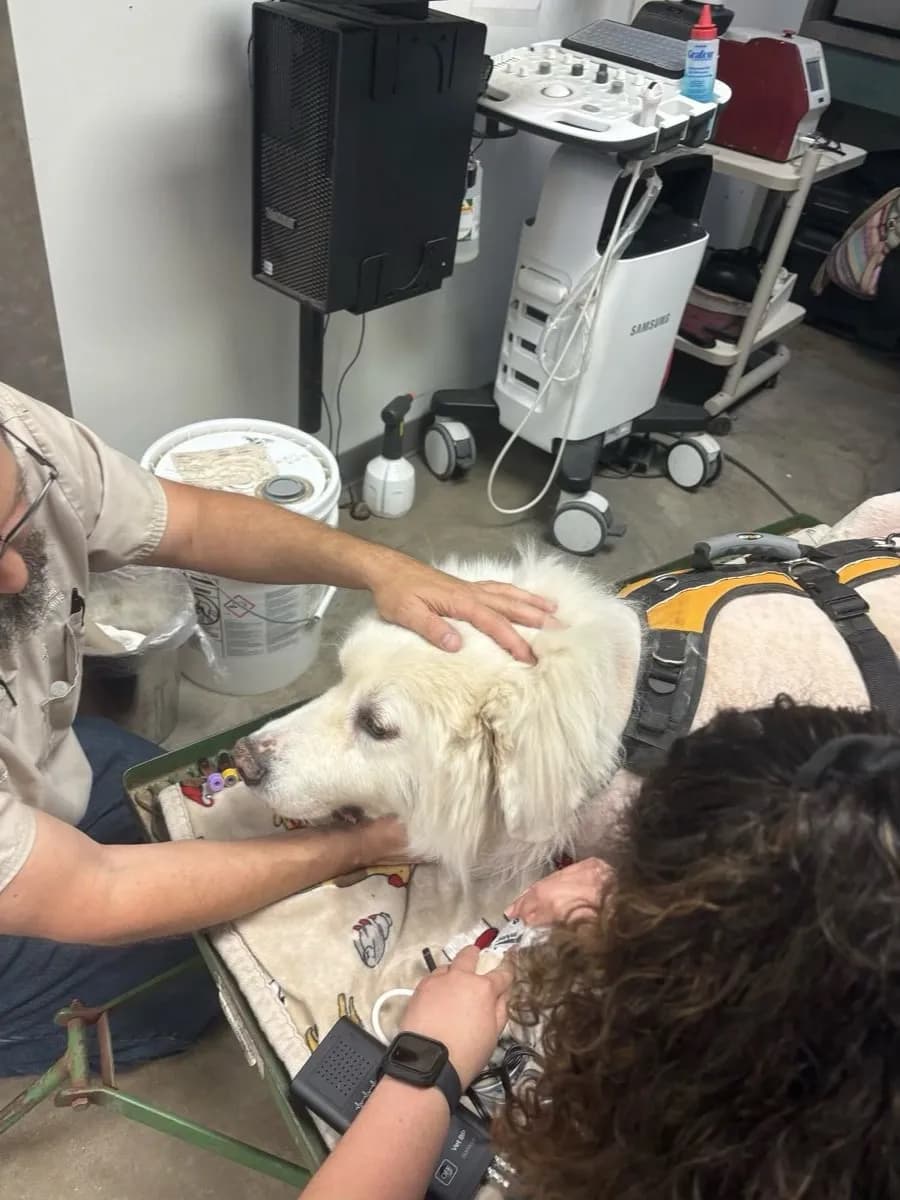
Common treatment approaches include:
- Surgery — removing a tumor, a limb, or an internal organ. It can be curative for some cancers when caught early.
- Chemotherapy — dogs generally tolerate it much better than humans do. Hair loss is rare; nausea and fatigue are the more common side effects.
- Radiation — often used for tumors in places that can't be fully removed surgically, or to shrink a tumor before surgery.
- Palliative or comfort care — managing pain and maintaining quality of life, without attempting to cure or slow the cancer itself.
- Combination protocols — many oncologists pair surgery with chemotherapy, or radiation with chemotherapy, depending on the cancer type.
The goal of treatment isn't always a cure. Sometimes it's more time; sometimes it's less pain. Understanding what outcome you're actually working toward — and whether it's realistic for your dog's specific cancer — is a foundational part of this decision.
The questions that actually matter
Most people start by asking, “What's the survival rate?” That's understandable, but it's rarely the most useful place to begin. These questions tend to get you further:
About your dog
- What type of cancer is it, and how advanced is the staging?
- Is your dog otherwise healthy enough to tolerate treatment?
- How is your dog's quality of life right now?
- What does “a good day” look like for your dog, and would treatment preserve or compromise that?
About treatment
- What's the realistic goal — cure, remission, or extended comfort?
- What does the treatment schedule look like, and how will it affect your dog's daily life?
- What are the most common side effects, and how are they managed?
- What happens if we choose not to treat, and what does that trajectory look like?
About you
- What are your financial limits, honestly? (There's no shame in this — it's responsible.)
- Do you have the time and support system to manage treatment logistics?
- What does your gut tell you about what your dog would want?
That last one isn't unscientific. You know your dog — you've watched them suffer or thrive. That knowledge belongs in this decision.
A simple framework for thinking it through
If you're feeling paralyzed, this isn't a decision you can logic your way out of in one sitting. But this framework can help you get traction:
1. Get the full picture first
Before deciding anything, make sure you have — or are seeking — a clear diagnosis: what type of cancer, and what stage. A veterinary oncologist can sometimes reveal options your regular vet didn't discuss, or clarify that the prognosis is more, or less, hopeful than you thought.
2. Define what success looks like for your dog
Is it more time, at any cost? Is it six good months over eighteen difficult ones? There's no wrong answer — but clarity on what you're hoping for helps you judge whether a given treatment path actually gets you there.
3. Run an honest quality-of-life check
Would treatment mean several clinic visits a week? Significant discomfort? Would it impair the things your dog loves — walks, playing, being close to you? Quality of life isn't a soft consideration; it's central.
4. Know your real financial limits
Veterinary oncology can range from a few hundred dollars for palliative medications to $10,000–$20,000+ for full surgical, radiation, and chemotherapy protocols. Knowing your ceiling before an emotional conversation with an oncologist helps you advocate for yourself and ask for options within your reality.
5. Make the decision as a team
Talk to your vet or a veterinary oncologist. Talk to someone who knows you and your dog. And give yourself permission to make the decision that's right for your specific situation — not the one that feels most heroic.
Choosing comfort care isn't giving up
I'll say this plainly, because it needs to be said: choosing palliative care over aggressive treatment is not a failure. It is not giving up on your dog. For many dogs — especially older animals, or those with cancers unlikely to respond to treatment — comfort-focused care is the most loving choice you can make.
Good palliative care focuses on pain management, maintaining appetite and mobility, and preserving the things that make your dog's life feel worth living. It's a legitimate medical path, not a default for people who “didn't try.”
With Henry, we faced this exact conversation. The math on osteosarcoma is hard. I had to weigh what treatment could realistically offer against what I knew about him — his temperament, his joy, his limits. That decision was made with love, not defeat.
How PetCare Ally helps in moments like this
PetCare Ally is not a veterinarian — it can't diagnose your pet or tell you what to do. What it can do is help you think. If you're staring at a diagnosis you don't fully understand, trying to figure out what to bring to your oncology consult, or just trying to picture what treatment looks like day to day, it's built for exactly that. Use it to explore your options, understand the common paths for your dog's cancer type, think through the quality-of-life questions, and walk into your appointment prepared instead of panicked.
Try PetCare AllyFrequently asked questions
Should I treat my dog's cancer if they're old?
Age alone shouldn't be the deciding factor; overall health matters more. A healthy 12-year-old may tolerate treatment well, while a younger dog with other health issues might not. Ask your vet about your dog's biological age and organ function, not just their birth year.
How do I know if my dog is suffering enough to choose comfort care over treatment?
Signs that quality of life is declining include loss of appetite, loss of interest in things they used to love, difficulty moving or resting comfortably, and social withdrawal. Your vet can walk you through quality-of-life assessment tools — such as the HHHHHMM quality-of-life scale — and a veterinary oncologist can give you a realistic picture of what treatment would feel like for your specific dog.
What is the average cost of treating dog cancer?
It varies widely. Basic palliative care might cost a few hundred dollars per month in medications. Surgery can range from $1,500–$8,000+. Chemotherapy protocols often run $3,000–$10,000 total. Full limb amputation plus chemo for osteosarcoma can reach $10,000–$20,000. Always ask for a full estimate upfront, and ask what a reduced or modified protocol would look like if cost is a constraint.
Can dogs with cancer have a good quality of life during treatment?
Many can. Dogs often handle chemotherapy better than humans, and most are not dramatically ill from it. The key is honest monitoring: if your dog is struggling significantly, that's information your oncologist needs and can often address.
What questions should I ask the vet about treatment?
Good starting points: What type of cancer is this, and what stage? What's the realistic goal — cure, remission, or comfort? What does the schedule look like? What are the most likely side effects? What happens if we choose not to treat? What would you recommend for your own pet in this situation?
Is it okay to get a second opinion for a dog with cancer?
Absolutely. An oncology consult is almost always worth pursuing — not because your regular vet is wrong, but because oncologists see these cases daily and may know options or nuances your vet doesn't encounter as often. Many offer phone or telehealth consults.
Author: Laura Strausberg, founder of PetCare Ally. PetCare Ally began with her own animals and the hardest care decisions of her life — including Henry's cancer diagnosis, where cost, hope, and love all collided.
Medically reviewed by Dr. Paula Simons, DVM, DACVECC.
This resource is for general education and is not a substitute for advice from your veterinarian, who knows your pet.
Sources & further reading
- American Veterinary Medical Association (AVMA) — cancer in companion animals.
- Veterinary Cancer Society — what veterinary oncology is and how it works.
- Morris Animal Foundation — canine cancer research.
- American College of Veterinary Internal Medicine — find a board-certified veterinary oncologist (vetspecialists.com).
- Withrow and MacEwen's Small Animal Clinical Oncology (Vail, Thamm & Liptak, eds.) — the standard clinical reference.