Bringing Home a Rescue Dog: What's Normal, What's a Red Flag, and When to Call the Vet
Bringing home a rescue dog is one of the most rewarding things you can do — and often one of the most confusing. Your new companion has just left everything familiar, and the dog you meet in the first few days is rarely the dog you'll know in a month. Knowing what's normal adjustment versus what needs attention makes the transition smoother for both of you. This guide walks through the early days and weeks, the signs that are simply part of settling in, and the ones worth a call to your veterinarian. It's general guidance, not a substitute for your vet, who should see your new dog early on.
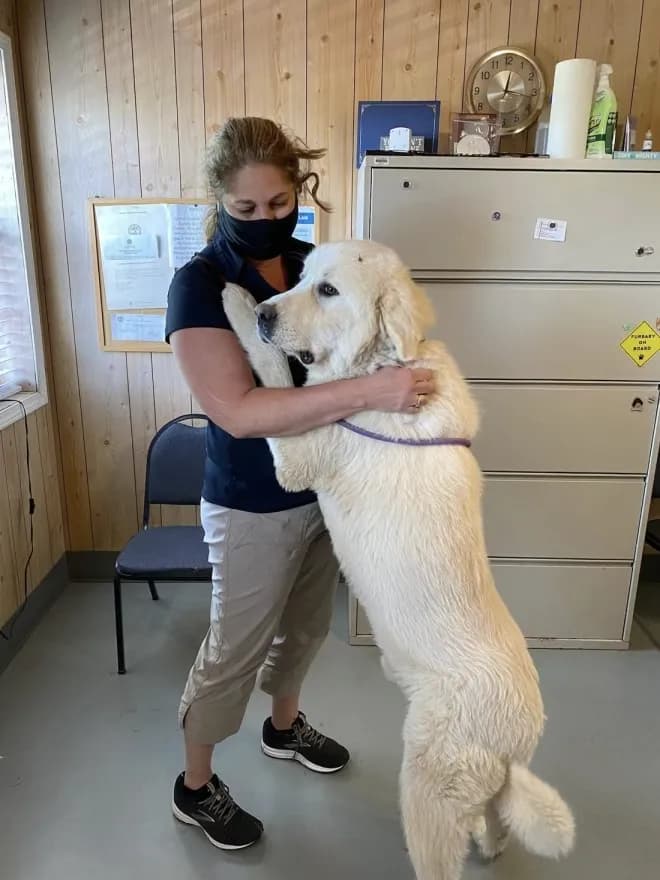
The decompression period: give it time
Rescue and shelter dogs have usually been through a lot of change — and change is stressful for dogs even when it's change for the better. Many trainers and shelters describe a rough “3-3-3” rhythm: roughly the first three days to begin decompressing, about three weeks to start settling into a routine, and around three months to truly feel at home. These aren't rules, just a reminder that adjustment takes longer than most of us expect. A dog who seems shut down, clingy, or checked out at first is very often just decompressing.
What's normal in the first days and weeks
A lot of behavior that worries new adopters is simply a dog finding their footing. Common and usually normal:
- Hiding, staying quiet, or sleeping a great deal as they recover from the stress of the shelter and the move.
- A reduced appetite for a day or so from nerves and a new environment (though not eating beyond that is worth a call).
- Some house-training lapses or accidents in an unfamiliar space.
- Being timid, unsure, or slow to warm up — or, conversely, a little over-excited and unfocused.
- Mild loose stool in the first day or two from stress or a food change (persistent or bloody diarrhea is not normal — see below).
- Not yet showing their real personality. The playful, confident, or affectionate dog often emerges only after they feel safe.
Your job in this window is mostly to lower the pressure: a calm space, a predictable routine, gentle patience, and no flood of visitors or overwhelming outings right away.
Red flags — when to call the vet
Some things aren't part of normal adjustment and deserve a prompt call to your veterinarian. Don't wait these out:
- Not eating at all for more than a day or two, or a complete refusal of water.
- Repeated vomiting or diarrhea, especially with blood, or any diarrhea that persists — puppies and small dogs can dehydrate quickly.
- Coughing, sneezing, or nasal discharge (respiratory infections like kennel cough are common in shelter dogs and sometimes need treatment).
- Lethargy or weakness beyond the first day's tiredness, or a dog who seems to be getting worse rather than settling.
- Visible parasites, intense scratching, or hair loss (fleas, worms, and mites are common and treatable).
- Any injury, limping, difficulty breathing, or signs of pain.
- Anything your gut tells you is wrong. You don't have to diagnose it — just call and describe it.
Schedule a wellness exam early
Even if your rescue seems healthy, book a veterinary wellness exam within the first week or so. It's the best way to catch anything the shelter may not have known about, confirm vaccines and parasite prevention are up to date, establish a relationship with a vet, and get personalized guidance for your specific dog. It also gives you a baseline — so if something changes later, your vet already knows your dog.
Setting your rescue up to thrive
Beyond watching their health, a few things smooth the adjustment:
- Keep a predictable routine for meals, walks, and rest — predictability is deeply reassuring to a dog rebuilding trust.
- Go slow with introductions to new people, pets, and places. Let confidence build before piling on new experiences.
- Give them a safe space of their own — a crate or quiet corner they can retreat to.
- Keep the food consistent at first. Feed the same food the shelter or rescue was using — even if it's not the brand you'd choose or plan to feed long-term. A sudden food change on top of the stress of a new home is a recipe for diarrhea. Once your dog has settled in (usually after a week or two), transition gradually to your preferred food by mixing in increasing amounts over 7–10 days.
- Be patient with setbacks. Adjustment isn't linear; a good week can be followed by a wobbly one. That's normal.
How PetCare Ally Helps in Moments Like This
Those first weeks with a rescue are full of small “is this okay?” moments — the dog who won't eat, the loose stool, the cough you're not sure about.
At petcareally.ai, you can think through what you're seeing, sort normal adjustment from a sign worth acting on, and figure out the right questions to bring to your vet. It doesn't diagnose your dog and it's not a substitute for that wellness exam — but it's a steady second opinion when you're not sure whether to worry.
Try PetCare AllyFrequently asked questions
How long does it take a rescue dog to adjust?
Often longer than people expect — many use a rough “3-3-3” guide: a few days to decompress, a few weeks to settle into routine, a few months to feel fully at home. Every dog is different.
My new rescue won't eat — should I worry?
A reduced appetite for a day or so is common from stress. But not eating at all for more than a day or two, especially with other symptoms, warrants a call to your vet — sooner for puppies or small dogs.
Is it normal for a rescue dog to hide or seem sad?
Yes, very. Many newly adopted dogs are quiet, hidden, or shut down at first as they decompress. Give them calm and time; their personality usually emerges as they feel safe. If they seem physically ill rather than just withdrawn, call your vet.
When should I take my new rescue to the vet?
Book a wellness exam within the first week even if they seem fine, and call sooner for any red-flag signs — not eating, vomiting or diarrhea, coughing, lethargy, parasites, injury, or anything that worries you.
My rescue has diarrhea — is that normal?
Mild loose stool in the first day or two can come from stress or a food change. Persistent diarrhea, blood, or diarrhea with vomiting or lethargy is not normal and needs a vet call, as dogs can dehydrate quickly.
Author: Laura Strausberg, founder of PetCare Ally. PetCare Ally began with her own animals — a houseful of rescues among them — and the daily judgment calls that come with caring for them.
Medically reviewed by Dr. Shelby Neely, VMD.
This article is for general education and is not a substitute for advice from your veterinarian, who knows your pet. Please schedule a wellness exam for your new dog and call your vet with any health concerns.
Sources & further reading
- ASPCA — bringing home and caring for a newly adopted dog — aspca.org
- American Animal Hospital Association (AAHA) — new-pet wellness and vaccination guidance — aaha.org
- American Veterinary Medical Association (AVMA) — selecting and caring for a new pet — avma.org
- Fear Free / shelter behavior resources — decompression and the adjustment period — fearfreehappyhomes.com