Kidney Disease in Cats: What the Diagnosis Means and What to Do Next
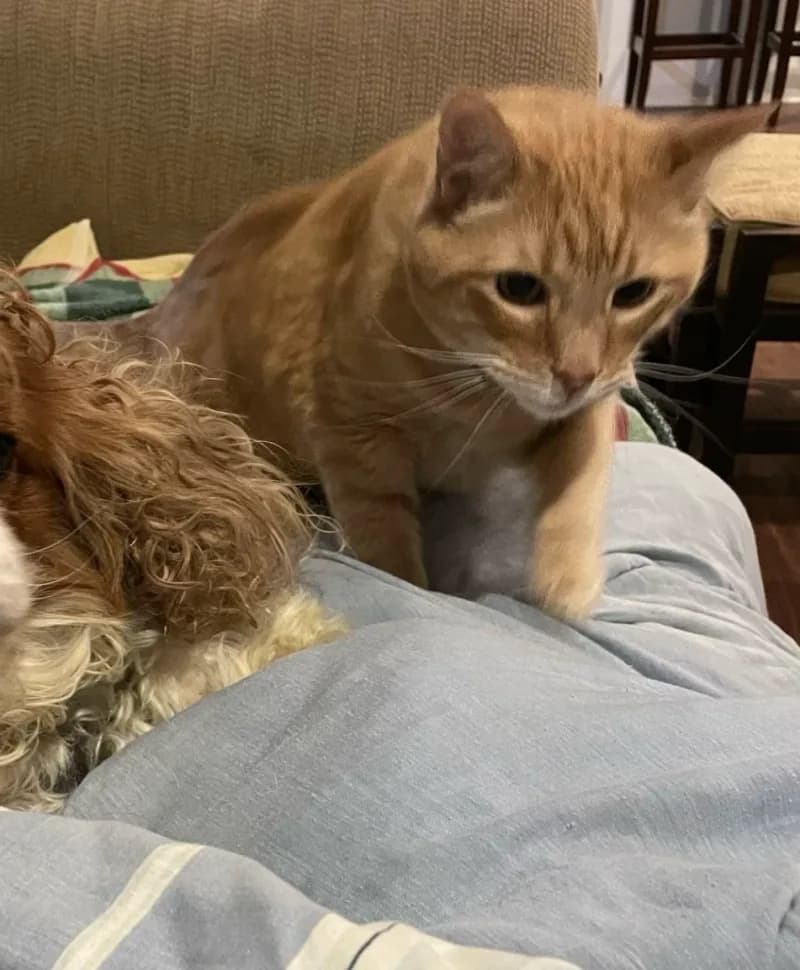
You Just Got the Diagnosis. Now What?
You went to what felt like a routine vet appointment, or maybe you brought your cat in because something seemed off — the weight loss, the increased thirst, the way they'd been a little quieter than usual. Then, your vet said the words kidney disease, and everything else in the room got a little blurry.
This article won't diagnose your cat. Only your veterinarian can do that. It will help you understand what you're dealing with, know which signs need immediate attention, and feel a little more grounded before your next conversation with your veterinarian. Whether your cat was just diagnosed or you've been managing this for a little while and need to think through what comes next, you don't have to figure this out alone.
What Does a Kidney Disease Diagnosis Actually Mean?
Kidney disease in cats is a broad term. Many cases are chronic kidney disease — CKD — a gradual decline in kidney function that can develop over months or years. It can also happen as a consequence of an acute kidney injury. CKD is one of the most common conditions in older cats, affecting a significant portion of cats over the age of ten.
The kidneys do a lot of work: they filter toxins from the blood, regulate hydration, control blood pressure, and support red blood cell production. When they begin to fail, waste products that should be excreted in urine start to accumulate. That buildup and inability to concentrate urine are what cause most of the symptoms you may have already noticed — increased thirst, frequent urination, weight loss, lethargy, vomiting, and a decreased appetite.
A CKD diagnosis is serious, but many cats continue to have meaningful quality time with appropriate management, especially when the disease is identified in earlier stages. Many cats live for months or years after diagnosis, especially when the disease is caught early and managed well. What matters now is understanding where your cat falls on the spectrum and what decisions lie ahead.
When to Call Your Veterinarian
Some situations don't warrant waiting. Call your veterinarian right away if you notice any of the following:
- Your cat has stopped eating or drinking entirely for more than 24 hours
- Vomiting is frequent, severe, or your cat can't keep anything down
- Your cat seems disoriented, wobbly, or suddenly unable to walk normally — this can signal a hypertensive crisis, electrolyte abnormality, or severe dehydration
- Your cat is having seizures
- Breathing seems labored or unusual
- Your cat appears to be in significant pain or distress
- Any sudden, dramatic change from their baseline — even if you can't name exactly what's wrong
These are situations where waiting is not the right call. If you are uncertain whether a change needs urgent attention, call your veterinarian.
PetCare Ally
Watch closely, or call now?
- Still eating and drinking, even if less than usual
- Moving, grooming, and engaging with you, even if slightly decreased
- Low energy but not in obvious distress
- A recheck is already scheduled soon
- Not eating or drinking for over 24 hours
- Frequent or severe vomiting
- Disoriented, wobbly, or unable to walk normally
- Seizures, labored breathing, or visible distress
Unsure? Call. You don't need to know what's wrong first.
Decision support, never a substitute for your veterinarian.
Signs That May Warrant a Careful Watch
Not every development after a CKD diagnosis requires an emergency call. Some changes are appropriate to monitor briefly — monitoring means active, attentive watching, not hoping things improve on their own.
You might reasonably observe for a short window if:
- Your cat is eating and drinking, even if appetite is reduced
- They are still moving around, grooming, and interacting with their environment
- Energy is lower but your cat is not weak or in obvious distress
- You have a recheck appointment already scheduled in the very near future
Even in these cases, set a clear mental window. If things aren't improving, or if anything gets worse, call your vet. And if you're at all uncertain about what you're seeing, call anyway.
What to Check and Track Between Vet Visits
Keeping careful notes between appointments will help your vet help you faster. Here's what to observe and record:
Eating and drinking. Is your cat eating? How much, compared to normal? Are they drinking more water than usual, or less? Changes in either direction are worth noting. Consider measuring water to track intake more precisely.
Litter box output. Cats with CKD often urinate more frequently. Note any changes in volume, frequency, or — importantly — if your cat stops urinating.
Weight. If you have a baby scale, a weekly weight check at home can catch loss earlier than a vet visit will. Even small drops matter over time.
Energy and engagement. Is your cat still coming to find you, grooming, looking out the window? Or are they withdrawing, hiding, or sleeping more than usual?
Vomiting and nausea. How often? What does it look like? Does it seem to happen after eating, or at random?
Overall demeanor. You know your cat. Trust your read. If something feels off, write it down and bring it to your vet.
Your vet will ask questions like these at every recheck. Having the answers ready makes the conversation faster and more useful — and helps catch trends that might otherwise be missed.
The Decisions You're About to Face
A CKD diagnosis opens a set of decisions that can feel overwhelming all at once. Here's how to think through them one at a time.
Diet. Nutrition is one of the most impactful interventions for cats with CKD. Prescription kidney diets are designed to be lower in phosphorus and protein, and they've been shown to slow disease progression for advanced stages of disease. The challenge is that many cats are picky — and a cat who won't eat a kidney diet is worse off than one eating something she'll actually consume. Your vet can help you find the right balance and will tell you when a diet change is appropriate for your cat.
Fluid therapy. Cats with CKD are chronically dehydrated because their damaged kidneys can't concentrate urine the way healthy kidneys can. Many cats benefit enormously from subcutaneous fluids — fluid given under the skin at home — if they cannot keep up with their hydration requirements. This sounds daunting, yet thousands of cat owners do it every day, and many cats tolerate it well. Ask your vet if your cat is a candidate.
Medications. Depending on your cat's bloodwork and symptoms, your vet may recommend phosphorus binders, blood pressure medication, anti-nausea medication, appetite stimulants, or potassium supplements. You don't need to understand all of these at once — knowing they exist helps you have a more productive conversation about what's right for your cat's specific picture.
Quality of life versus aggressive treatment. For cats in early to mid-stage CKD, active management and quality of life often go hand in hand. For cats in later stages, or cats who are declining despite treatment, the conversation shifts. Is your cat comfortable? Are they still doing things they enjoy? Are the interventions helping, or adding stress? These are questions worth revisiting regularly — not just at the moment of diagnosis.
Cost. Let's be honest: managing CKD costs money. Prescription food, regular bloodwork, fluid supplies, and medications add up. Ask your vet for a realistic picture of what ongoing management looks like financially at your cat's current stage. Understanding the full scope upfront helps you make decisions without being blindsided later.
A Word on Quality of Life
Quality of life deserves its own moment here, because it's the question underneath all the other questions — and it doesn't have a single right answer.
A simple framework to revisit regularly: Is your cat eating and drinking, even with help? Are they grooming, interacting, or showing interest in their environment? Are they experiencing more good days than bad? Are their symptoms manageable, or are they causing sustained distress?
If the answers to these questions start to shift, that's important information and a reason to have an honest conversation with your veterinarian about what comes next.
I know how hard that conversation is to have. I've had versions of it with my own animals, and there is no way to make it easy. What I can tell you is that asking the question — even when you're not ready to hear the answer — is one of the most loving things you can do.
How PetCare Ally Helps in Moments Like This
When your cat gets a diagnosis like this, it can be difficult to know which details matter and whether what you're seeing calls for a call today or a note for the next visit.
PetCare Ally gives you a calm place to organize what you are seeing — when symptoms started, changes in eating and drinking, litter box habits, energy, medications, and the questions you want to bring to your veterinarian.
PetCare Ally does not diagnose your cat, determine treatment, or replace veterinary care.
It is decision support: a way to bring the pieces together so you can think more clearly and show up to the veterinary conversation prepared.
Try PetCare AllyFrequently Asked Questions
How long can a cat live with kidney disease?
It depends heavily on the stage at diagnosis and how well the disease is managed. Cats diagnosed early who respond well to diet and management can live for years. Cats in later stages have a more variable prognosis. Your vet is the best person to give you a realistic picture for your specific cat.
Is kidney disease in cats painful?
CKD itself isn't typically painful the way a physical injury is, while the effects — nausea, weakness, and the general feeling of being unwell — cause real discomfort. Cats in later stages may also develop high blood pressure or mouth ulcers from toxin buildup. Managing symptoms is a core part of treatment at every stage.
Can kidney disease in cats be reversed?
Chronic kidney disease cannot be reversed but if there was an acute injury there may be potential for some recovery. CKD is a progressive disease. However, the progression can often be slowed significantly with the right management.
What foods should cats with kidney disease avoid?
Cats with CKD should generally avoid high-phosphorus foods, which include most regular commercial cat foods and many treats. Your vet will guide you toward an appropriate diet and advise on what extras are safe to use.
Should I give my cat fluids at home?
For many cats in moderate to later stages of CKD, home fluid therapy is one of the most impactful things an owner can do. It helps cats feel better, stay hydrated, and improve renal function. Your vet will show you how. Many owners who were initially nervous find it becomes a manageable — even bonding — part of the routine.
How do I know when it's time to let my cat go?
There is no perfect moment. A quality-of-life framework — tracking whether your cat is eating, engaging, comfortable, and having more good days than bad — is a useful ongoing guide. Your vet can also help you interpret what the bloodwork numbers mean in practical terms. The goal is to act before your cat is suffering, not after.
Medically reviewed by Dr. Paula Simons, DVM, DACVECC.
Author: Laura Strausberg, Founder of PetCare Ally — Laura created PetCare Ally after navigating serious and emotionally difficult health decisions with her own animals, including cats. She understands how much clear information and thoughtful preparation can matter when someone is trying to make a responsible decision for an animal they love.
This article is for educational purposes only and is not a substitute for professional veterinary advice. Always consult your vet for guidance specific to your cat.
Sources & Further Reading
- International Renal Interest Society (IRIS) — IRIS Staging of CKD: iris-kidney.com
- Cornell Feline Health Center — Chronic Kidney Disease: vet.cornell.edu
- American Association of Feline Practitioners (AAFP) — Feline CKD Guidelines: catvets.com
- Merck Veterinary Manual — Chronic Kidney Disease in Cats: merckvetmanual.com
- The Feline CKD Support Community — owner resources and management guides: felinecrf.org