My Horse Won't Eat: When to Worry and What to Do Next
Why Horses Stop Eating: The Basics
Horses are creatures of habit and appetite. Under normal conditions, they spend somewhere between 12 and 16 hours a day grazing, chewing, and moving. So, when your horse walks past the hay net or leaves grain untouched, it stands out — and it should.
Feed refusal in horses can be caused by dozens of things. Some are minor and self-resolving, such as a new batch of hay that smells off, a stressful change in their environment, or temporary appetite changes after exertion, travel, or stress. Others — including colic, dental pain, fever, laminitis flare-ups, or systemic illness — need closer attention.
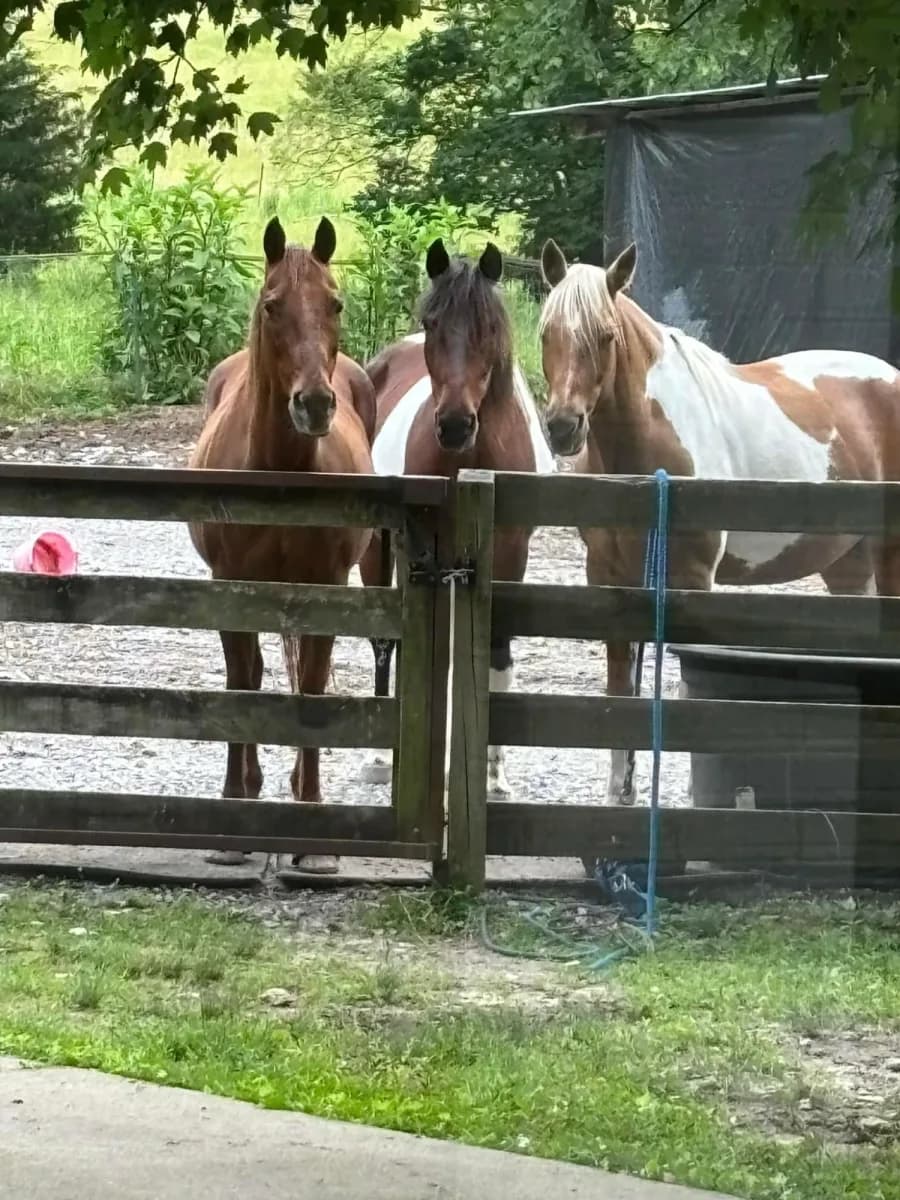
I built PetCare Ally partly because of experiences like this. My mini horse Buster has chronic laminitis, and more than once I've stood in front of him at evening feeding, wondering whether the slight change in his interest in hay was “just one of those days” or the beginning of a flare. That uncertainty, and not knowing what questions to even ask, is exhausting.
This article will not diagnose your horse. It will help you understand what matters, what to watch for, and when it is time to call your veterinarian.
Is It Actually a Problem? What Normal Looks Like
Before you start troubleshooting, it helps to know what your horse's baseline is. Every horse is different.
Some horses are enthusiastic, clean-plate eaters. Others are slow grazers who always leave a little behind. A performance horse coming off a hard show weekend may eat less for a day. A horse adjusting to a new barn, a new herd, or a change in season may temporarily go off feed.
These aren't red flags. They're context.
What you're looking for is a change from the individual horse's normal — not a general rule about horses as a species.
Signs that feed refusal is probably low-concern (for now):
- Your horse skipped one meal, and still seems bright, alert, and interested in their surroundings
- They're still drinking water
- There are no signs of abdominal discomfort (pawing, looking at flank, getting up and down)
- You recently changed their hay or grain
- There was a stressful event — trailering, a new horse in the herd, a vet visit
- The weather shifted dramatically and they're off by a meal or two
Signs that call for closer monitoring or a vet call:
- Not eating for more than 12–24 hours
- Off water in addition to off feed
- Dull, depressed, or “not themselves” energy
- Any signs of colic — pawing, flank-watching, repeated lying down and getting up, distended belly
- Fever (normal for adult horses is approximately 99–101°F / 37.2–38.3°C)
- Difficulty chewing, dropping food, or quidding (spitting out partially chewed hay)
- Known chronic conditions like laminitis, Cushing's (PPID), or gastric ulcers that could be flaring
When Feed Refusal Could Be Colic
Colic is one of the most important conditions to consider when a horse suddenly stops eating. Some cases respond to relatively simple treatment, while others can become serious quickly and require emergency care.
Not all colic looks like obvious pain. In the early stages, a horse may simply seem off — quieter than usual, less interested in food, slightly tucked in the flank. Some horses show almost no pain response at all until things are already serious.
Watch for these colic warning signs alongside feed refusal:
- Pawing at the ground
- Looking at or biting at the flank
- Lying down more than normal, or rolling
- Stretching out like they're trying to urinate, without producing anything
- Elevated heart rate (normal is 28–44 beats per minute at rest)
- Gut sounds that are absent or dramatically reduced on one or both sides
- Sweating without exertion
- Restlessness or anxiety
If your horse is showing any combination of these alongside feed refusal, this is not a “wait and see” situation. Call your veterinarian and follow their instructions while you wait.
While you wait, keep your horse moving gently if they're not in too much distress, remove feed to prevent impaction risk, and note when symptoms started and what you've observed. Your veterinarian will want that information.
PetCare Ally
Low concern, or call now?
- Skipped one meal but bright and alert
- Still drinking water normally
- No pawing, flank-watching, or getting up and down
- A recent change explains it (new hay, travel, stress)
- Not eating for more than 12–24 hours
- Off water as well as off feed
- Any signs of colic, like pawing or rolling
- Fever, or dull and withdrawn energy
Unsure? Call. You don't need to know the cause first.
Decision support, never a substitute for your veterinarian.
Dental Pain, Choke, and Other Mechanical Causes
Sometimes a horse doesn't eat because eating hurts — or because something physical is getting in the way.
Dental pain is more common than many owners realize, especially in senior horses. Sharp points, hooks, fractured teeth, or infected roots can make chewing uncomfortable enough that a horse stops trying. Signs include:
- Dropping partially chewed hay (quidding)
- Turning their head to one side while chewing
- A foul smell from the mouth
- Slow eating or only eating soft feed
- Weight loss over time
Horses should have their teeth examined by an equine dentist or vet at least once a year — more often for older horses.
Choke (esophageal obstruction) is another possibility, and it can look similar to other problems from a distance. A horse in choke may seem distressed, drool excessively, stretch their neck, or have feed material coming from their nose. This is a veterinary emergency — call immediately.
Mouth sores or ulcers, bit soreness, or a bad reaction to a supplement can also cause sudden feed refusal. Check inside the mouth if your horse will tolerate it, and look for obvious wounds, swelling, or unusual coloration.
When It Might Be a Systemic Issue
Sometimes feed refusal is a window into something bigger happening in the body.
Horses with gastric ulcers (EGUS — equine gastric ulcer syndrome) often show intermittent changes in appetite, especially around grain feeding. They may be reluctant to eat concentrate feeds while still grazing, or they may just seem generally unthrifty and off.
Horses with Cushing's disease (PPID) or metabolic syndrome can experience appetite changes as their condition fluctuates, and horses on medication for these conditions may have sensitivity to certain feeds.
Respiratory illness, Lyme disease, liver disease, and kidney issues can all suppress appetite as part of a broader set of symptoms. If your horse is off feed AND showing other signs — nasal discharge, poor coat condition, swollen lymph nodes, unusual fatigue, or changes in urination — those together paint a clearer picture your vet needs to see.
A horse going off feed for more than 24 hours with no obvious environmental explanation deserves at minimum a phone call to your vet.
A Decision Framework: What to Do Right Now
Use this as a starting guide — not a replacement for professional judgment. The amount of time matters, and so do water intake, behavior, pain, vital signs, manure, known health conditions, and any signs of colic or choke.
Step 1: Check the basics
- Did your horse miss one meal, or has this been going on longer than 12 hours?
- Are they still drinking water?
- What's their energy like — bright and alert, or dull and withdrawn?
- Any recent changes? New hay, new pasture mates, trailering, weather?
Step 2: Look for colic signs
- Pawing, flank-watching, rolling, sweating without work?
- Gut sounds present on both sides?
- Heart rate normal (under 44 bpm at rest)?
If yes to any colic signs: call your vet now.
Step 3: Check for mechanical causes
- Is your horse trying to eat, yet dropping food?
- Any nasal discharge or distress while eating?
- Any swelling, odor, or visible wounds in the mouth area?
If choke is suspected: this is an emergency. Call immediately.
Step 4: Check vitals
- Temperature: above 101.5°F / 38.6°C?
- Gums pink and moist (normal), or pale/tacky?
- Capillary refill under 2 seconds?
Abnormal vitals: call your vet.
Step 5: If nothing obvious
Monitor closely. If your horse hasn't eaten in 24 hours, even without other symptoms, a vet call is appropriate. Some conditions don't announce themselves loudly at first.
How PetCare Ally Helps in Moments Like This
When your horse stops eating, it can be difficult to know which details matter and whether you are looking at a temporary change or something that needs veterinary attention.
PetCare Ally gives you a calm place to organize what you are seeing. You can track when your horse last ate, water intake, manure, behavior changes, vital signs, known conditions, and anything that changed recently.
It can also help you prepare the questions and information you want ready when you call your veterinarian.
PetCare Ally does not diagnose your horse, determine treatment, or replace veterinary care.
It is decision support: a way to bring the pieces together so you can think more clearly and show up to the veterinary conversation prepared.
Try PetCare AllyPreparing for Your Vet Call
When you call your vet, they're going to ask you questions quickly. Having this information ready can help your veterinarian understand the situation more quickly and determine the appropriate next step:
- When did your horse last eat, and what did they eat?
- Are they drinking? Any change in urination or manure?
- What are their vital signs — temperature, heart rate, gut sounds?
- Any signs of colic, distress, or abnormal behavior?
- Any recent changes — feed, environment, travel, medications?
- Does your horse have any known health conditions?
Write it down before you call if you can. In a stressful moment, it's easy to forget details — and those details matter.
Frequently Asked Questions
My horse skipped breakfast, yet seems fine. Should I be worried?
One missed meal in an otherwise healthy, alert horse often isn't cause for panic — especially if something changed recently (new hay, a stressful night, weather). Watch closely through the next feeding. If they eat normally, monitor and note what may have caused the blip. If they skip a second meal or their energy changes, call your vet.
How long can a horse go without eating before I should call my veterinarian?
Horses have sensitive digestive systems, and prolonged feed refusal can lead to dangerous gut slowdown, hyperlipemia (especially in ponies and miniature horses), or other complications. As a general rule, 24 hours without eating is a threshold that warrants a vet call — sooner if other symptoms are present. Miniature horses and ponies are at higher risk of hyperlipemia and should be seen sooner.
Can stress cause a horse to stop eating?
Yes, absolutely. Horses are sensitive to changes in their environment — a new herd member, a move to a new barn, changes in routine, or even a new batch of feed can cause temporary appetite loss. If the cause is clearly stress-related and your horse is otherwise healthy and bright, monitor closely. Stress doesn't explain everything, though. If it continues beyond 24 hours, get your vet involved.
My horse is eating hay, yet won't touch grain. Is that a concern?
It can be. Horses with gastric disease may show reduced or selective appetite, including reluctance to eat concentrate feeds. Higher starch and grain intake is also associated with increased risk of some forms of equine gastric disease. A horse that selectively avoids grain while still eating hay is worth discussing with your vet, especially if they seem a bit dull or have a history of ulcers.
What does quidding mean and why does it happen?
Quidding is when a horse drops partially chewed wads of hay or grass from their mouth. It usually means chewing is painful or difficult — the most common cause is dental problems. If you notice quidding, schedule a dental evaluation. It's also worth a call to your vet to rule out anything more serious.
How do I know if my horse might have colic versus just being off feed?
The signs that push “off feed” into colic territory are usually behavioral and physical: pawing, flank-watching, getting up and down repeatedly, sweating without work, or obvious signs of abdominal pain. You can also listen for gut sounds with your ear against their flank — reduced or absent sounds on either side can indicate a problem. If you're in any doubt, call your vet. If colic is a possibility, calling your veterinarian early is the safer course.
Medically reviewed by Dr. Paula Simons, DVM, DACVECC.
Author: Laura Strausberg, Founder of PetCare Ally — Laura created PetCare Ally after navigating serious and emotionally difficult health decisions with her own animals, including horses. She understands how much clear information and thoughtful preparation can matter when someone is trying to make a responsible decision for an animal they love.
This article is for educational purposes only and is not a substitute for professional veterinary advice. Always consult your vet for guidance specific to your horse.
Sources
- Merck Veterinary Manual: Colic in Horses — merckvetmanual.com
- American Association of Equine Practitioners (AAEP): Colic — aaep.org
- University of Minnesota Extension: Equine Gastric Ulcer Syndrome — extension.umn.edu
- AAEP: Equine Dental Care — aaep.org
- Colorado State University Equine Sciences: Choke in Horses — csu-cvmbs.colostate.edu
- The Horse: Hyperlipemia in Ponies, Miniature Horses, and Donkeys — thehorse.com