How to Protect Your Dog From Organophosphate Poisoning After Pest Control or Exterminator Treatment

Why I'm writing this
This one isn't abstract for me.
I watched a dog get rushed into a vet clinic this morning and not come back out. The cause was organophosphate exposure from an insecticide. It happened fast, and it happened to people who almost certainly thought they were doing normal yard care.
I'm not a veterinarian, but I can help translate the risk clearly. I'm a pet owner who has spent more hours than I can count in waiting rooms, trying to understand hard medical words while one of my animals was depending on me. This is the calm, plain-English version of what I wish more people knew before they ever need it.
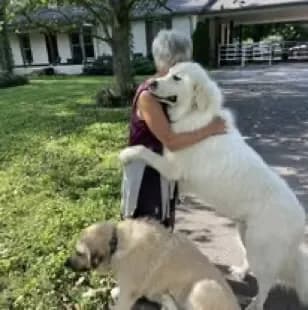
What organophosphates are, and why they're dangerous
Organophosphates are insecticides. They harm the nervous system by inhibiting acetylcholinesterase, an enzyme the body needs to shut off nerve signals normally. When that enzyme is blocked, the nerves keep firing, which can lead to drooling, muscle twitching, tremors, weakness, breathing problems, collapse, and in severe cases death from respiratory failure.
Dogs can be exposed in more than one way. They may ingest the product directly, groom it off their paws or coat after contact with a treated area, or absorb it through the skin. Pet Poison Helpline specifically notes exposure through ingestion and skin or eye contact, and veterinary sources also describe dermal contamination as an important route.
Your dog doesn't have to eat anything visible — contact with treated grass can be enough.
That's what makes yard and pest treatments tricky: your dog does not have to eat a visible pile of something to get into trouble.
This isn't only a dog problem. If you have a multi-species household like mine — dogs, a cat, horses — the same treated grass, the same stored products, and the same drift from a sprayer can reach any of them. Cats can be especially sensitive to some insecticide compounds. Horse toxicity from pasture exposure is uncommon overall, but it does happen, generally when a treated area is mishandled — grazed too soon, or treated with the wrong product for a pasture setting. Think about your whole crew when you think about where these chemicals go.
Signs to watch for
Know your animal's normal — changes are easier to catch when you do.
The signs that matter most are:
- heavy drooling
- vomiting
- diarrhea
- muscle twitching or tremors
- pinpoint pupils
- weakness
- trouble breathing
- collapse
- seizures
In a retrospective study of 102 dogs with confirmed acute organophosphate or carbamate intoxication, the most common presenting signs included muscle tremor, hypersalivation, miosis, weakness, vomiting, and diarrhea.
Some dogs get sick quickly. Others may not look obviously unwell right away, especially if the exposure was through the skin rather than a large oral exposure. Either way, this is not something to monitor casually at home if exposure is plausible. Veterinary and poison-control guidance supports treating suspected exposure as urgent. Onset of signs after exposure is usually within minutes to hours, but in some cases it can be delayed for more than two days, according to the Merck Veterinary Manual.
What to do right away
If you think your animal may have been exposed:
- Get your pet away from the product or treated area.
- Call your veterinarian or nearest emergency clinic immediately. If you are deciding whether this is “serious enough,” the safest move is to call now.
- Call pet poison control if you need help fast. ASPCA Animal Poison Control Center: 888-426-4435. Pet Poison Helpline: 855-764-7661. These services can help identify the product risk while you are getting veterinary care arranged.
- Have the label, container, or a photo of the ingredients ready. The active ingredient matters.
- Do not induce vomiting or give home remedies unless a veterinarian or poison expert specifically tells you to.
- If the product is on the coat or paws, your veterinary team may advise washing it off. Merck Veterinary Manual notes that dermal exposure should be addressed by washing with detergent and room-temperature water, without scrubbing and irritating the skin. If you're calling en route, ask whether they want you to do this immediately.
You do not need to solve the whole situation in that first minute. You just want the next clear step: get your pet away from the source and get a professional involved fast.
How veterinarians typically treat it
Treatment depends on the product, the amount, the route of exposure, and how sick the animal is on arrival. Veterinary care may include decontamination, medications such as atropine, IV fluids, oxygen support, monitoring, and treatment for tremors or seizures if needed. Severe cases may require hospitalization.
That's part of why speed matters. This is one of those toxicology situations where early treatment can change the course.
How to lower the risk before pest control happens
Most of the protection happens before the spraying starts.
Before any lawn or pest treatment, ask:
- What is the active ingredient?
- Is it an organophosphate or carbamate?
- Can you send me the product label or EPA registration number?
- What is the re-entry interval for pets?
- Does it need to be watered in?
- Does the area need to be fully dry before pets go back out?
If the company cannot answer clearly, that's useful information.
Keep pets off treated areas until the product label says it's safe.
After treatment, play it safe:
- Keep your animals off treated areas until the product label says re-entry is safe.
- For horses, that includes treated pasture. Don't turn out onto sprayed grass until the label clears it.
- If you are not sure what was used, ask before letting any animal back out.
- Wipe paws after outdoor time if treatment happened nearby.
- Store lawn and pest products securely out of reach.
- Double-check older flea or tick products with your veterinarian if you are unsure what class of insecticide they contain.
PetMD specifically recommends keeping lawn and garden products secured and washing off insecticide residue that may be present on the skin. Merck also supports prompt removal of dermal contamination when exposure occurs.

A note on cost and panic
The hard moments are why decision support matters.
Emergency toxicology care can get expensive fast, and that pressure often lands at the exact moment people are scared and trying to think clearly.
That doesn't mean you love your pet any less if your mind goes straight to cost, transport, or whether you're overreacting. It means you're in a hard moment.
The goal of PetCare Ally is simple: help pet owners think clearly, understand the next decision, and walk into the veterinary conversation more prepared. If you want a calmer way to think through options before or during a scary moment, that's what we built it for — at petcareally.ai.
Frequently asked questions
How quickly can symptoms start?
They may start quickly, especially after ingestion or inhalation, but timing can vary with the route and amount of exposure. If you suspect exposure at all, don't wait for a full set of symptoms before calling Poison Control or your veterinarian.
Can a dog be poisoned just from walking on a treated lawn?
Potentially, yes. Contact with a treated surface followed by grooming or paw-licking is a plausible exposure route, and organophosphates can also be absorbed through the skin.
Are cats and horses at risk too?
Yes. These insecticides affect the same nerve-signaling pathway across species. Cats can be especially sensitive to some compounds, and horses can be exposed by grazing treated pasture. If you have a mixed household, protect all of them, not just the dog.
What symptoms are most concerning?
Drooling, vomiting, diarrhea, tremors, pinpoint pupils, weakness, trouble breathing, collapse, and seizures are all important red flags. Breathing difficulty, collapse, or seizures make this an immediate emergency.
Should I make my dog vomit?
Not unless a veterinarian or poison-control professional tells you to. Home treatment can make things worse or delay the right care.
Is organophosphate poisoning treatable?
It can be, and treatment may include decontamination, atropine, supportive care, and hospitalization depending on severity. Outcomes vary with how much exposure occurred, how quickly treatment begins, and how sick the animal is by the time they reach care.
Final word
Most people don't think of a routine yard or pest treatment as a medical emergency waiting to happen. That's exactly why it catches good, careful owners off guard.
A short conversation before spraying, a quick look at the label, and a lower threshold to call for help can make a real difference. You don't have to become a toxicologist. You just need to know the signs, know the risk, and act quickly if something feels off — for every animal under your roof.
Author: Laura Strausberg, Founder of PetCare Ally
Medically reviewed by: Dr. Paula Simons, DVM, DACVECC
This article is for general education and is not a substitute for advice from your veterinarian, who knows your pet. If you believe your pet is having an emergency, call your veterinarian or nearest emergency clinic now.
Sources
- Merck Veterinary Manual, Organophosphate Toxicosis in Animals (merckvetmanual.com)
- PetMD, Pesticide and Insecticide Poisoning in Dogs (petmd.com)
- Pet Poison Helpline, organophosphate poison information page (petpoisonhelpline.com)
- Klainbart et al., 2019. Clinical manifestations, laboratory findings, treatment and outcome of acute organophosphate or carbamate intoxication in 102 dogs: A retrospective study. PubMed.