How Do I Know When It's Time? A Quality-of-Life Guide for Aging and Ill Pets
I write this as someone who lives with a houseful of senior animals — animals I consider family — and who is, right now, walking through the uncertainty of a beloved dog with a diagnosis I don't yet fully understand.
Some days I brace for the worst. Other days, strangely, I don't feel panicked at all. Mostly, I feel a kind of quiet concern about how the next chapter will unfold. I don't know whether he has weeks, months, or much longer. I never have.
What I do know is the promise I made at the beginning: I won't let him suffer. I believe our animals tell us when they're ready, and my job is to keep listening. That's the spirit I want to bring to this guide — not a formula for a moment, but a way to keep paying loving attention.
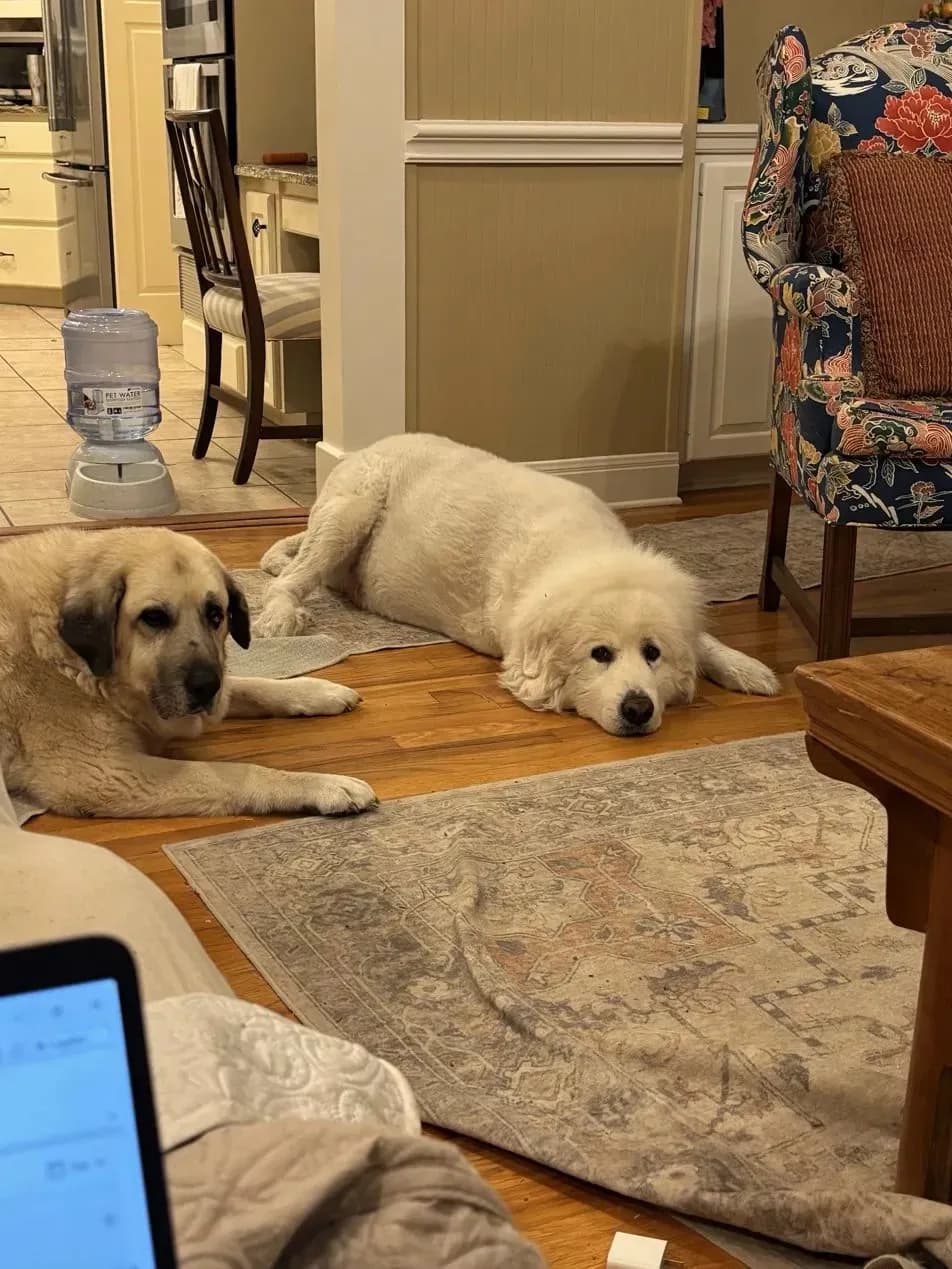
If you're reading this, you're probably carrying one of the heaviest questions a pet owner faces: is my animal still okay? It's a question asked in love, and there's no formula that answers it perfectly. But there is a way to think about it that's clearer and kinder than waiting for a single, unmistakable sign — because that sign often doesn't come, and waiting for it can leave you second-guessing either way. This guide offers a gentle framework. It is not a diagnosis, and it never replaces your veterinarian, who can see things you can't and who should be part of this with you.
HHHHHMM scale
Score honestly. Watch the trend.
The point isn't a single perfect number — it's the pattern over time. Ask your vet to walk through it with you.
Hurt
Is pain controlled? Can they breathe comfortably?
Hunger
Are they eating enough — willingly, or only with coaxing?
Hydration
Are they drinking and staying hydrated?
Hygiene
Can they stay clean and comfortable?
Happiness
Do they still show interest in you, favorite things, life?
Mobility
Can they get up, reach water, shift position — with or without help?
More good days than bad
When hard days start to outnumber good ones, that trend matters.
Decision support, never a substitute for your veterinarian.
Why there's rarely one clear moment
Many of us wait for our pet to “tell us” — a dramatic decline, a clear signal. Sometimes that happens. But far more often, aging and illness bring a slow accumulation of small changes, and because we see our animals every day, the gradual slide is the hardest thing to see. That's not a failing on your part; it's how love and proximity work. The value of a framework is that it externalizes what's easy to miss up close, and gives you something steadier than your own moment-to-moment worry.
The HHHHHMM quality-of-life scale
Developed by a veterinary oncologist, the HHHHHMM scale is one of the most widely used tools for thinking about quality of life. Each letter is a factor you score honestly, often on a simple scale (say, 0 to 10), and then watch over time. The point isn't a single perfect number — it's the pattern and the trend.
Ask your veterinarian to walk through this scale with you. They can help you score the factors you're unsure about — especially pain, which pets hide well — and interpret the trend in the context of your pet's specific condition.
Watch the trend, not the single day
Any animal, like any person, has good days and bad days. One rough day is not a verdict, and one bright afternoon doesn't erase a longer decline. The most useful thing you can do is track gently over time — a note on the calendar, a quick daily score, even just a mental tally of good versus hard days. Patterns tell you far more than moments. When you can see the balance genuinely shifting toward more hard days than good ones, that's meaningful information, and it's worth bringing to your vet.
Questions to ask yourself — and your vet
These aren't meant to produce a tidy answer. They're meant to help you think honestly and out loud.
- What did a good day look like for my pet six months ago, and what does it look like now?
- Are the things that made my pet who they are — the greeting, the walk, the sunny spot — still possible for them?
- Is my pet's pain truly controlled, as far as my vet can tell?
- Am I keeping them comfortable for their sake, or holding on for mine? (This one is human and forgivable — it just helps to know which it is.)
- What does my vet see that I might be too close to see?
- If things continue as they are, what does the next stretch of time likely hold?
Comfort care and planning ahead
Thinking about this in advance isn't morbid — it's a gift to your future self and your pet. Ask your veterinarian about comfort-focused (palliative) care that can keep a pet genuinely comfortable through a decline, and about what a calm, planned goodbye can look like when the time comes, including options like sedation beforehand or, in many areas, an at-home visit. Availability varies, so it helps to ask early rather than in a crisis. Knowing your options ahead of time means that if the day comes, you can act from love and preparation rather than panic.
However you decide, it can be an act of love
There is no perfect timing, and almost everyone who has faced this wonders afterward whether they were too early or too late. Please be gentle with yourself. Choosing to prevent suffering, and choosing to give a comfortable stretch of time, are both expressions of the same devotion. What matters is that the choice is made with attention and care, in partnership with your vet — not snatched away by panic, and not endlessly deferred out of fear. You know your animal. That knowledge belongs in this decision.
As for me and my old, gray-muzzled crew: I'm still in the uncertainty, same as many of you. But I've stopped waiting for a single unmistakable sign to tell me what to do. Instead I watch the good days and the hard ones, I keep my vet close, and I try to spend the time we have loving the animal who is still here — rather than bracing for the end I can't schedule. If you're somewhere on this road too, I hope this helped, and I hope you're gentle with yourself. You're not alone in it.
How PetCare Ally helps in moments like this
PetCare Ally was built for exactly these tender, uncertain stretches. It can help you think through what you're seeing calmly, work through a quality-of-life framework at your own pace, and gather the right questions to bring to your veterinarian. It doesn't diagnose your pet, it won't tell you when to say goodbye, and it's not a substitute for your vet — that decision belongs to you and the professional who knows your animal. What it offers is a steady place to think when the thinking is hard.
Try PetCare AllyFrequently asked questions
What is the HHHHHMM scale?
It's a widely used quality-of-life tool that scores seven factors — Hurt, Hunger, Hydration, Hygiene, Happiness, Mobility, and More good days than bad — so you can assess your pet honestly and watch the trend over time. Your vet can help you use it.
How do I know if my pet is in pain?
Pets hide pain well. Signs can include hiding, reluctance to move, changes in appetite, restlessness, or changes in posture — but the most reliable read comes from your veterinarian, who can assess pain you can't see and treat it.
Is it better to be too early or too late?
There's no perfect answer, and both worries are normal. But if you're weighing the two, it's worth knowing what many veterinarians see: owners who acted a little early tend to carry a soft grief and the ache of missing their pet sooner than they wanted. Owners who waited too long often carry something heavier — the knowledge that their pet suffered, and the wish that they'd let go sooner. Early heartbreak fades. Watching an animal you love suffer, and knowing you could have spared them that, is much harder to make peace with. So if you're unsure which way to lean, it's usually kinder to lean early. This is still deeply personal, and your vet can help you weigh it for your specific pet.
Should I consider hospice or comfort care?
Often yes. Palliative and hospice-style care can keep a pet comfortable and give you good time together. Ask your vet what's available for your pet's situation.
How do I cope with the guilt and grief?
Grief is a natural reflection of how deeply you love your animal. Guilt, however, often does not belong there. In my experience, far too many loving pet parents blame themselves for decisions they made with care, compassion, and the information they had at the time. That guilt can make an already painful loss even harder to bear. Try to offer yourself the same understanding you would give a friend in the same situation, lean on people who understand pet loss, and remember that support is available when you need it.
Author: Laura Strausberg, founder of PetCare Ally. PetCare Ally began with her own animals and the hardest care decisions of her life — including the quiet, uncertain stretches this article is about.
Medically reviewed by Dr. Shelby Neely, VMD.
This article is for general education and is not a substitute for advice from your veterinarian, who knows your pet. If you're facing a quality-of-life or end-of-life decision, please talk it through directly with your vet.