Thanksgiving Foods That Can Hurt Your Pet: What Every Pet Owner Should Know
The Holidays Are Joyful. The Table Scraps Can Be Tricky.
Thanksgiving is one of those days where the kitchen is full, the house is busy, and the pets are underfoot hoping someone drops something good. And honestly? Sometimes someone does.
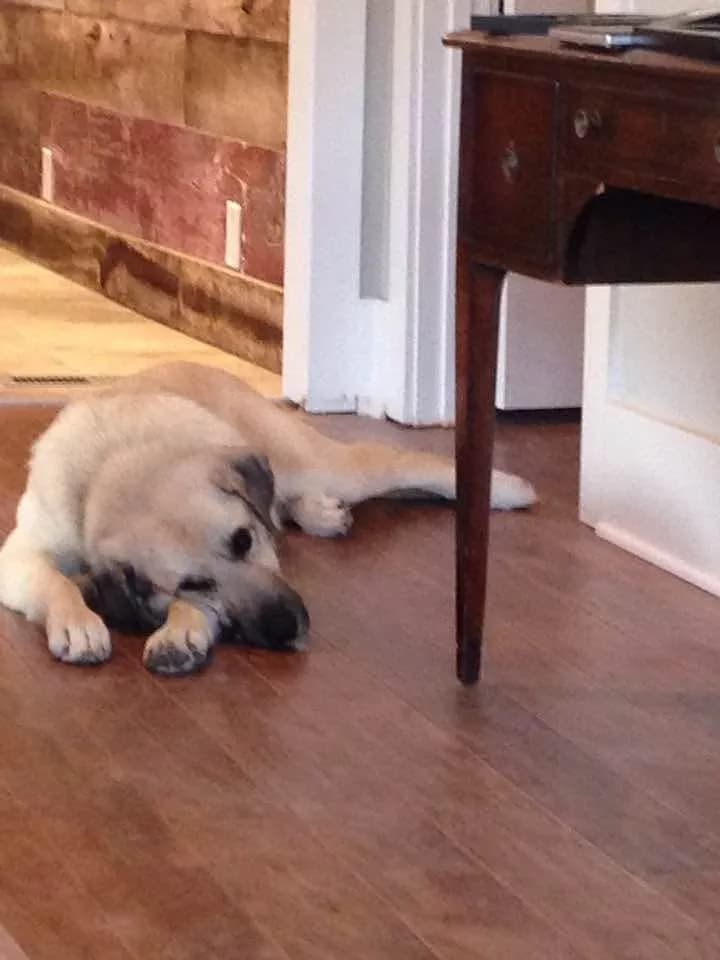
One year, in the middle of everyone sitting down to eat, our dog Mattie decided she'd waited long enough. She got up on her hind legs, grabbed an entire turkey leg off the carving board, and was three rooms away before anyone realized what had happened. The table went silent. Then everyone was laughing and chasing her at the same time — that's the kind of chaos a big dog and a good turkey leg can create in about four seconds.
Mattie was fine. It easily could have gone differently, and that's really the point of this article. A stolen turkey leg makes for a funny story later. A stolen plate of stuffing with onions in it, or a swiped taste of peanut butter with xylitol, is a very different kind of story — one that usually ends with a call to the vet instead of a laugh.
If you're reading this because your dog just snagged a piece of stuffing off the counter, or your cat got into the dessert, take a breath. This article is here to help you think through what happened, what to watch for, and when to pick up the phone.
This is not a substitute for your vet — nothing online is. It's a starting point for understanding what's truly concerning versus what's probably fine, so you can decide fast.
The Foods Most Likely to Cause Problems
Not everything on the Thanksgiving table is dangerous to pets. Plain, cooked turkey in small amounts? Most pets handle it fine. Several traditional holiday ingredients are genuinely toxic or harmful, and they show up in surprisingly many dishes.
Onions and garlic
These are toxic to both dogs and cats, and they're in almost everything — stuffing, gravy, green bean casserole, mashed potatoes. Cooked, raw, or powdered — all forms are problematic. Toxicity can build up with repeated exposure and may cause damage to red blood cells.
Grapes and raisins
Even small amounts can cause serious kidney problems in dogs. The exact mechanism isn't fully understood, which makes it especially tricky — some dogs seem fine, and others are badly affected by small amounts. Treat this as urgent.
Xylitol (artificial sweetener)
Found in some sugar-free pies, peanut butter, cranberry sauces, and baked goods. Extremely toxic to dogs, even in very small amounts. If there's any chance your dog ate something with xylitol, call immediately.
Cooked bones
Cooked turkey and chicken bones splinter, and those splinters can cause serious injury to the mouth, throat, or digestive tract. Raw bones carry different risks, including obstruction and gastroenteritis. Either way, bones from the holiday table are not a safe treat.
Fatty foods and turkey skin
Rich, fatty foods can trigger pancreatitis in dogs — a painful and sometimes serious inflammation of the pancreas. Turkey skin is a common culprit. Small amounts of plain turkey meat are generally fine; the fatty, seasoned parts are not.
Sage and other herbs
Sage contains compounds that can cause GI upset and nervous system effects in cats, and some other holiday herbs and spices can irritate pets similarly.
Alcohol and bread dough
Even small amounts of alcohol are dangerous to pets. Unbaked bread dough is also a risk. Yeast can continue to ferment in the stomach, producing alcohol and causing painful bloating.
Nutmeg
Found in pumpkin pie and some sweet potato dishes. Large amounts can be toxic to pets, causing disorientation, elevated heart rate, and seizures in serious cases.
Chocolate
Less of a Thanksgiving-specific food. Dessert tables happen, though. Chocolate is toxic to both dogs and cats. Darker chocolate and cocoa powder are more dangerous, and all forms carry risk.
PetCare Ally
Keep these off your pet's plate this year
Onions & garlic
In stuffing, gravy, casseroles — any form
Grapes & raisins
Small amounts can harm a dog's kidneys
Xylitol
In sugar-free pies, peanut butter, baked goods
Cooked bones
Splinter and injure mouth or digestive tract
Turkey skin & fat
Can trigger pancreatitis
Alcohol & dough
Dough ferments, causes bloating
Nutmeg
Large amounts can affect heart rate, cause seizures
Chocolate
Toxic to dogs and cats
Sage & herbs
Can upset cats' stomach and nerves
Small amounts can still matter — “just a little” isn't a safe threshold for this list.
Warning Signs to Watch For
If your pet got into something and you're monitoring at home (after speaking with your vet), here are the signs that mean you need to act quickly:
Call your vet or emergency animal hospital right away if you see:
- Vomiting or diarrhea, especially if repeated or bloody
- Lethargy or sudden weakness
- Loss of coordination or stumbling
- Tremors or seizures
- Pale, white, blue, or grey gums
- Bloated or distended abdomen
- Difficulty breathing
- Collapse
Watch closely and call if you're unsure about:
- Decreased appetite after eating something unusual
- Excessive drooling
- Restlessness or signs of abdominal discomfort (downward dog posture, unable to settle)
- Changes in urination (especially reduced or increased urination, which can signal kidney involvement)
Timing matters. Some toxic effects, like those from grapes or raisins, may not show up immediately. Don't wait for symptoms if you know your pet ate something on the concern list.
PetCare Ally
If your pet got into something, watch for
- Vomiting or diarrhea, especially repeated or bloody
- Lethargy or sudden weakness
- Loss of coordination or stumbling
- Tremors, seizures, or collapse
- Pale, white, blue, or grey gums
- Bloated belly or difficulty breathing
- Decreased appetite after eating something unusual
- Excessive drooling
- Restlessness or belly discomfort
- Changes in urination
Don't wait for symptoms with grapes, raisins, or xylitol.
What to Do If Your Pet Got into Something
Step 1: Try to figure out what and how much.
If you can, note the specific food, roughly how much was eaten, and when. This information is genuinely useful to your vet or a poison control specialist.
Step 2: Call before you wait and see.
For anything on the list above — especially xylitol, grapes, raisins, onions, garlic, or cooked bones — don't take a wait-and-see approach. Call your vet, an emergency animal hospital, or the ASPCA Animal Poison Control Center (888-426-4435, available 24/7; a consultation fee will apply).
Step 3: Don't induce vomiting unless specifically directed to.
It's a common instinct. Inducing vomiting is not always safe and can sometimes cause additional harm. Only do this if a vet or poison control specialist specifically instructs you to.
Step 4: Keep the packaging if you can.
If your pet got into a store-bought item and you're not sure of the ingredients, having the label on hand can help the vet assess the risk quickly.
When to Go to an Emergency Veterinary Hospital
If your regular vet isn't available and you see any of the emergency signs listed above, don't wait. Go to the nearest emergency animal hospital.
For less acute situations, calling your vet's after-hours line or a poison control hotline can help you decide whether you need to go in tonight or if it's safe to monitor at home and come in first thing tomorrow.
Trust your gut here. You know your pet. If something feels wrong, get help.
How PetCare Ally Helps in Moments Like This
When something unexpected happens — your dog ate half the stuffing, or you're not sure if what your cat got into was actually dangerous — the hardest part is often just figuring out what questions to ask.
That's where PetCare Ally comes in. The platform is built to help you think through what you're seeing, understand what might be relevant, and walk into your vet conversation (or phone call) more prepared. It's not a diagnostic tool, and it doesn't replace your veterinarian. It can help you organize your thoughts and feel less alone in the middle of a stressful moment.
Think of it as a calm place to organize what happened before you call.
Try PetCare AllyFrequently Asked Questions
Can my dog eat turkey on Thanksgiving?
Plain, cooked turkey in small amounts is generally fine for most dogs. Problems arise with turkey skin (too fatty), cooked bones (they splinter), and turkey seasoned with onions, garlic, or other harmful ingredients. When in doubt, skip the scraps and stick to their regular food.
What should I do if my dog ate a cooked turkey bone?
Call your vet right away, even if your dog seems fine. Cooked bones can splinter and cause internal injury that isn't immediately obvious. Your vet will help you decide whether your dog needs to be seen.
Are sweet potatoes safe for pets?
Plain, cooked sweet potato is generally safe for dogs in small amounts. The concern comes from sweet potato casserole, which often contains marshmallows, butter, sugar, and sometimes nutmeg — all of which are problematic for pets.
My cat stole a piece of pie. Should I be worried?
It depends on what was in the pie. Pumpkin pie with nutmeg is a concern. Anything chocolate could be an emergency. If you're not sure what was in it or how much your cat ate, call your vet or animal poison control.
Is it safe to give my pet a little bit of everything?
Even small amounts of some foods — grapes, raisins, xylitol, onions, garlic — can cause serious harm. “Just a little” isn't a safe threshold for the foods on the concern list. Keeping pets out of the kitchen and off the table during the holiday is genuinely the safest approach.
Medically reviewed by Dr. Paula Simons, DVM, DACVECC.
Author: Laura Strausberg, Founder of PetCare Ally — Laura built PetCare Ally after navigating serious and complex health diagnoses with her own animals, because she knows firsthand how hard it is to think clearly in a scary moment, and how much it helps to feel prepared.
This article is for educational purposes only and is not a substitute for professional veterinary advice, diagnosis, or treatment. Always consult your veterinarian with questions about your pet's health.
Sources & Further Reading
- ASPCA Animal Poison Control Center — aspca.org/pet-care/animal-poison-control | Hotline: 888-426-4435
- American Veterinary Medical Association (AVMA) — avma.org
- American Animal Hospital Association (AAHA) — aaha.org
- ASPCA: People Foods to Avoid Feeding Your Pets — aspca.org/pet-care/animal-poison-control/people-foods-avoid-feeding-your-pets
- Merck Veterinary Manual, Toxicology Section — merckvetmanual.com/toxicology